
營運8 分鐘閱讀
How to Measure Event Success After the Doors Close
How to measure event success — the few numbers that matter, when to capture them, and why a retrospective without written changes is just a social hour.
文 Tomas LindqvistPlatform
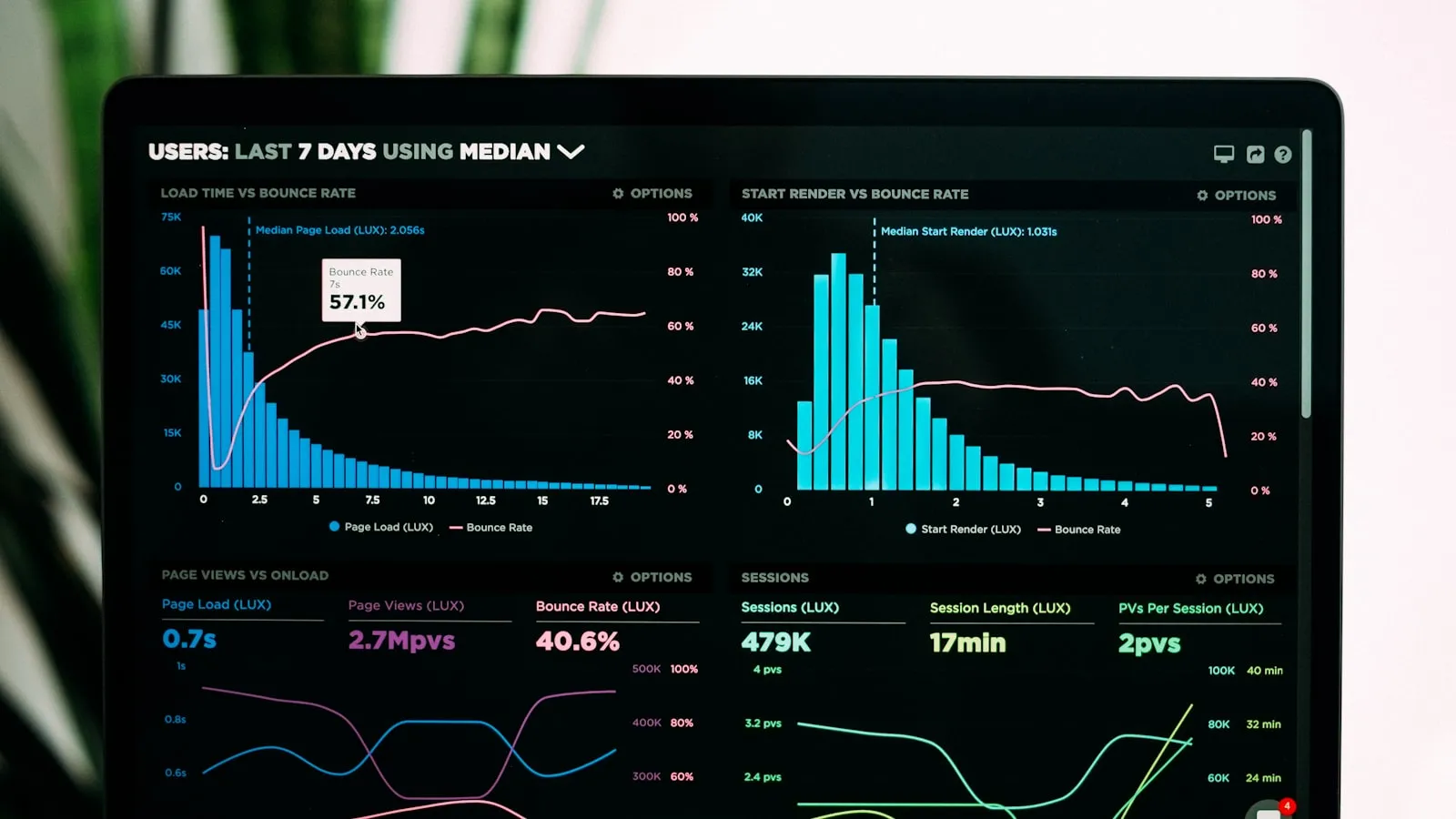
How to measure event success is decided on the day you write the brief, not the day you open a spreadsheet after teardown. An event that is “a week late” did not happen. An event whose goals were never written cannot be evaluated — only narrated. Narratives are how programs repeat their mistakes with great confidence.
If you skipped the numbers in event project management, this article will feel like extra homework. It is the close of that project.
Write the scoreboard before you book the venue
Two or three outcomes, in numbers:
- Attendance: 400 registrations, 300 checked in — a 75% show rate, not a feeling about the room.
- Commercial: ticket revenue after fees, or qualified leads a sales team will actually take.
- Experience: a survey score with a denominator, not “people seemed happy.”
Every later decision should be able to point at one of those lines. If a stakeholder wants a fourth goal in week ten, they are changing the project. Treat it as a change order, not as enthusiasm.
Capture what the day actually did
Registration totals flatter you. Check-in totals tell the truth. Show rate is the first operational KPI: free events without a reminder sequence often land at 50–60%; paid conferences should see higher. If you do not scan, you are guessing — and hallway density is a terrible instrument.
Session fill belongs on the same dashboard. A keynote that packed the room and a workshop that seated twelve are different products. Session check-in and, where you issue them, certificates are how training and multi-track programs stop arguing from anecdotes.
Revenue is net. Fees, refunds, and comps are not rounding errors; they are the difference between a story about a sell-out and a number finance will sign. Live event reports beat a weekend of exports. The moment attendance lives in three spreadsheets, every count is a negotiation.
Ask attendees while they still remember
Surveys sent on day two outperform surveys sent on day ten by enough that “we will do it next week” is a decision to discard the data. One score, one change question, optional comment. Attach the thank-you and the slides in the same window — attention is warm for about 48 hours.
Do not let the survey invent new goals. Compare answers to the brief. “The coffee was slow” is useful operations input. It does not override a missed lead target.
Hold a retrospective that produces three lines
Teardown is not closure. Within two weeks:
- Reconcile the budget against actuals while invoices are still attached to memory.
- Put goal vs actual on one page. No extra slides.
- Write three changes for the next edition — owners, not themes.
A retrospective without written changes is a social hour. Programs that improve are not the ones with the largest budgets. They are the ones that treat each event as a measured iteration of the last. The same discipline sits at the end of the 7 stages of event planning and the last block of the event planning checklist.
What not to put on the scoreboard
Social impressions, app download counts, and “brand energy” do not settle a brief unless they were on the brief. They are fine as color. They are not KPIs. If leadership wants them, add a fourth line before the event — and accept that you will spend against it.
Frequently asked questions
How do you measure the success of an event?
Compare outcomes to the two or three numbers you wrote before planning began. Add operational quality so a full room behind a 40-minute queue does not count as a win.
What are the most important event KPIs?
Registrations against target, show rate, net revenue, cost per attendee, and a survey score sent within 48 hours. Channel attribution if you will run it again.
When should you send a post-event survey?
Immediately. Response rates halve with every day you wait. Keep it short and attach it to the thank-you.
How do you report event results to leadership?
One page: goal vs actual, cost variance, three written changes. If closing the event requires a pivot table, the register of record failed.