
营销8 分钟阅读
How to Price Event Tickets Without Guessing (or Extending Early-Bird Twice)
How to price event tickets — working backward from the budget, designing tiers that create decisions, and computing real cost after fees.
文 Priya RamanProduct
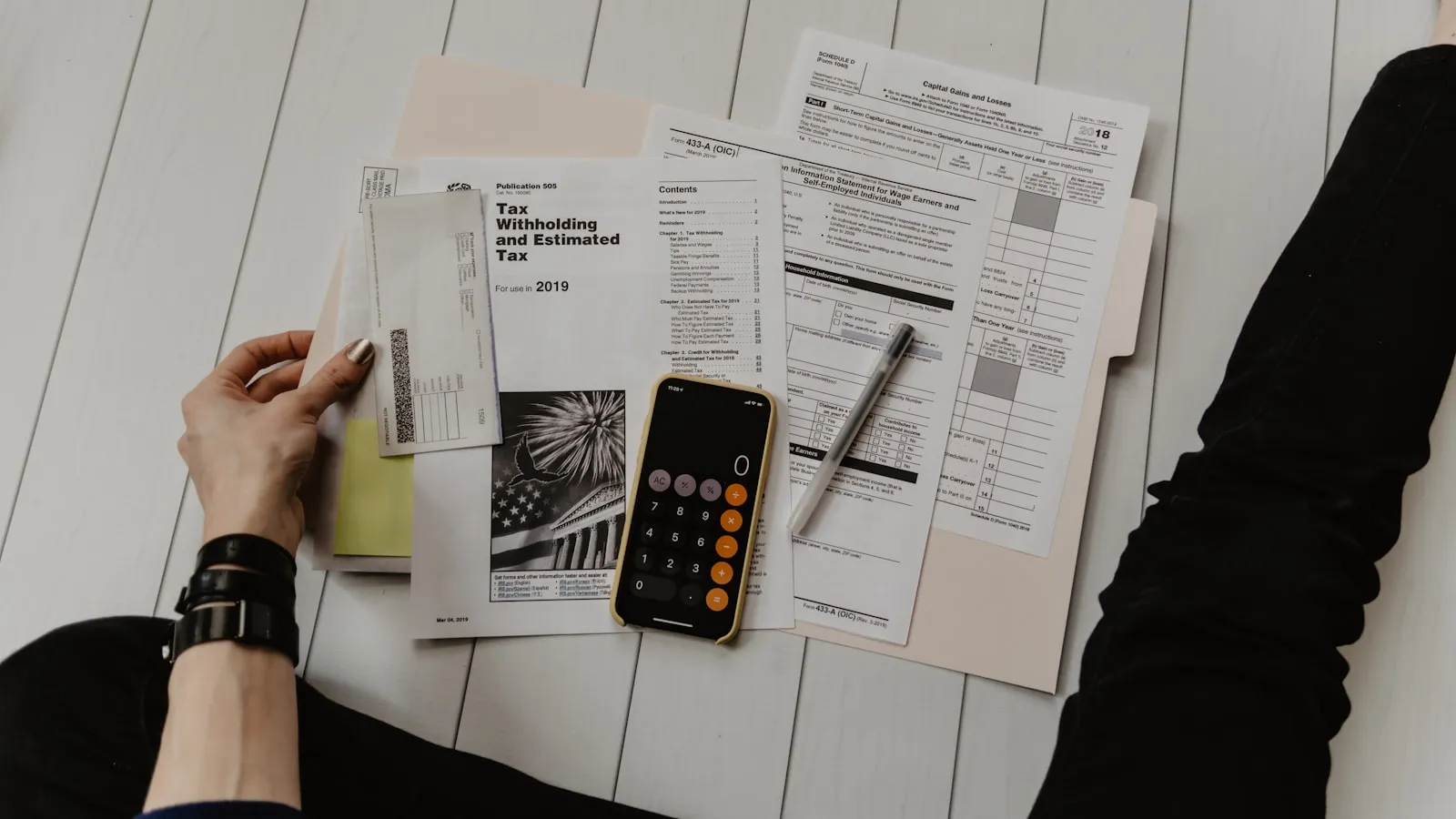
How to price event tickets is a budget problem first and a psychology problem second. Teams usually reverse that order. They pick a number that “feels right,” decorate it with an early-bird that they will later extend, and discover the fee model only when the payout arrives short. The door does not renegotiate your margin.
This is the sequence that survives a real event: math, then tiers, then fees, then the words on the page.
Work backward from money you must keep
If the event needs €40,000 in ticket revenue after fees, and you expect 250 paid tickets, your average net is €160. That average is the planning number — not the early-bird, not the VIP. Everything else is a spread around it.
Write three scenarios (pessimistic, target, sell-out) before you publish a price. If only the sell-out covers the venue, you do not have a pricing strategy. You have a hope. The same arithmetic sits under how to sell tickets to an event; pricing is the input that campaign has to hit.
Design three or four tiers that create a decision
A single price offers one decision: now or later. Later usually wins. Tiers change the question.
- Early-bird — limited by date or quantity. Its only job is converting hesitation. The deadline must be real.
- Standard — the anchor your budget math assumes.
- VIP or plus — extra access (workshop, dinner, front row). Even modest volume lifts average order value and makes standard look reasonable.
- Group — 4-for-3 or a percentage. In B2B, one manager buying five seats is your best customer.
Ten visible options is homework, not choice. Operational edges — comps, transfers, name changes — belong in the ticket type rules, not in a footnote you will explain at 8 a.m. Multiple ticket types is the setup; ticket tiers that survive contact with attendees is the door test.
Price is a comparison. Give them one.
Buyers do not evaluate €160 in a vacuum. They compare it to last year’s event, to a competing conference, or to your door price. Put the comparison on the page: “€240 at the door / €160 until Friday” does more than any adjective.
Specificity supports a higher price. “Learn leadership” is cheap. “Run your first 50-person hybrid event without a production agency” is not. If you cannot write the second sentence, the first price is probably right — and too low to fund the event you actually want.
Model fees as part of the price
Platform and payment fees are not a surprise line for finance. They are part of how you price.
A marketplace charging 3.5% + €1.50 on 500 tickets at €160 is €2,900 you will not keep. At that volume a subscription often wins — which is why the event ticketing system comparison starts with total cost at your volume, not a homepage “from €0.” Decide whether you absorb fees or pass them through. Either way, checkout should show one honest total. Hidden fee stacking at the last step is a conversion tax you chose.
Add-ons (dinner, parking, recordings) raise average order value without pretending the core ticket is more than it is. Redemption codes are for partners and comps, not for silently unmaking the early-bird.
Enforce the deadline you advertised
Early-bird pricing works once. It works again only if last year’s buyers learned that Friday meant Friday. If you need more time, you needed a different launch date or a different target — not a quieter extension. Announce transitions. Let the ticket type rules flip the price without a human at midnight.
Frequently asked questions
How do you price tickets for an event?
Work backward from the revenue you must keep, divide by a realistic paid-ticket count, then spread three to four tiers around that anchor. Model fees on top.
What is a good price for a conference ticket?
There is no universal number. Give buyers a comparison — similar events, the content as a course, or your own door price — instead of hoping the figure feels fair alone.
Should I use early-bird pricing?
Yes, if the deadline is real. Extend it twice and you train the audience to wait forever.
How do ticket fees affect pricing?
Per-ticket “free” software regularly costs more than a subscription past a few hundred paid tickets. Absorb or pass through — but show one honest total at checkout.